
The Gravity Ventilator & its Role in Better Building Airflow
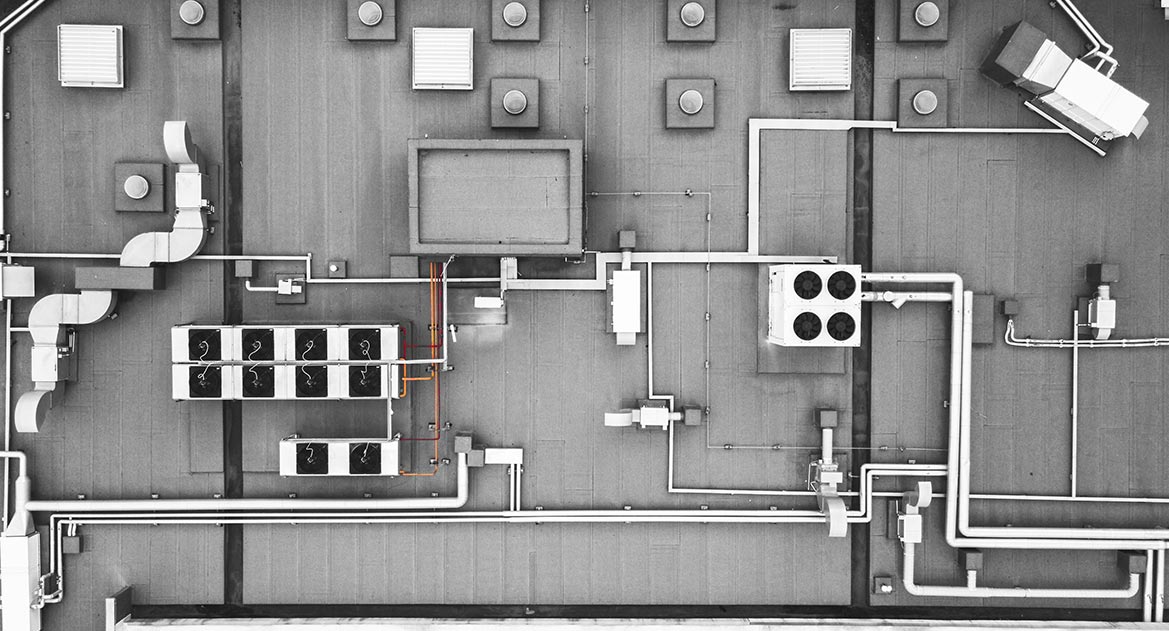
When it comes to keeping metal buildings safe, healthy and efficient, few factors are as critical — and as often overlooked — as proper ventilation. From temperature control to moisture management and overall indoor air quality, the right airflow strategy impacts nearly every aspect of how a building performs. And while large-scale mechanical systems have long played a role in maintaining optimal conditions, non-powered systems such as a gravity ventilator setup have proven just as valuable.
In fact, many modern metal buildings use a hybrid approach, combining mechanical and natural ventilation to create environments that stay comfortable and compliant, without unnecessary energy use. The key lies in ensuring your system has the right accessories, properly positioned and maintained, to keep airflow balanced and effective.
Here, Metallic Products’ steel building pros offer insights into the intricacies of the gravity ventilator and gravity ventilation on the whole — and offer tips to help you look out for your structures. Let’s get started.
Gravity Ventilation & the Accessories that Make it Work
Gravity ventilation relies on the simple principle that warm air rises. As heat and moisture build up inside a structure, they move upward and exit through vents placed near the roof or ridge. Cooler, drier air then flows in through lower openings, creating a continuous, balanced exchange of air without the need for mechanical systems or electricity. Here are common accessories that support it.
- Ridge Vents: Positioned at the peak of your roof, ridge vents let rising warm air and moisture escape naturally. They’re a low-maintenance, high-impact way to improve indoor air quality while keeping energy costs down.
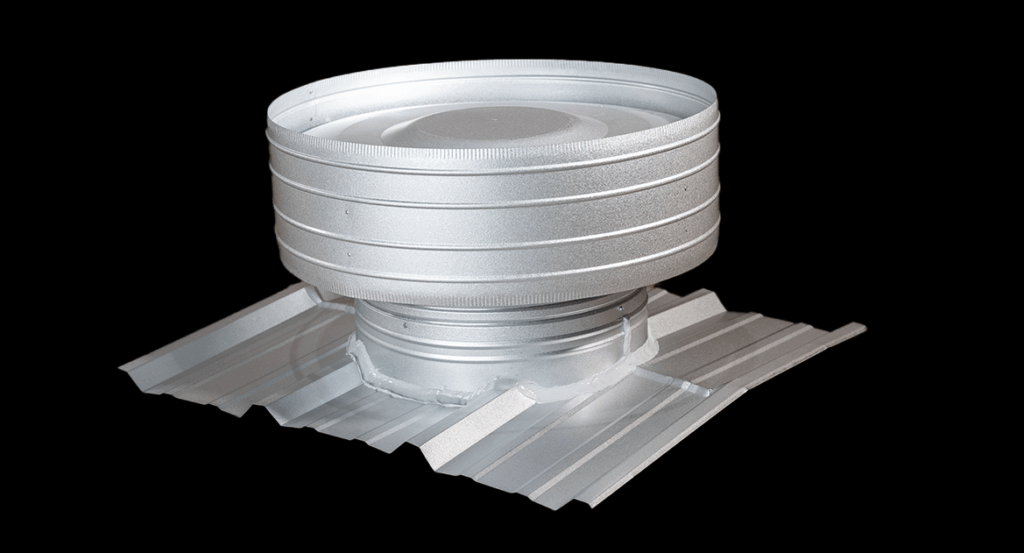
- Round Vents: Compact and versatile, round vents allow heat to move out through the roof or walls. They’re ideal for smaller spaces or as supplemental ventilation in larger structures.
- Louvers: Installed on walls or gables, louvers draw fresh air into your building as stale air exits elsewhere. Their slatted design helps maintain airflow while keeping out rain and debris.
- Low Profile Ridge Vents: Perfect for projects where a streamlined look matters, these vents provide steady, natural airflow without disrupting your building’s aesthetic — proof that form and function can work hand in hand.
Positioning Your Gravity Ventilators for Success
Just as important as having the right equipment is ensuring your gravity ventilators are positioned, maintained and performing as intended. Even the best-designed systems require attention to stay effective over time. Here are some proactive steps to keep in mind.
- Start with Quality Products: The longevity and performance of your gravity ventilation setup depend on the quality of the gravity ventilators themselves. Choosing products from trusted manufacturers known for precision engineering and durable materials helps prevent leaks, corrosion and premature wear. Remember, high-quality vents and louvers don’t just improve airflow — they reduce the risk of costly repairs or replacements down the line.
- Inspect and Maintain Regularly: Routine inspections are key to ensuring your gravity ventilator accessories continue to operate efficiently. Check for blockages caused by dirt, debris or nests, and make sure louvers and vents aren’t obstructed. Look for corrosion, loose fittings or visible damage that could restrict airflow or allow moisture intrusion. A simple inspection schedule, even just once or twice a year, can go a long way toward protecting your investment.
- Address Issues Promptly: If you spot something amiss, take action quickly. Small cracks, loose fasteners or deteriorating seals can allow water to infiltrate, leading to rust, insulation damage or mold growth. Prompt repairs not only keep your gravity ventilation system working efficiently, but they also help you avoid larger and more expensive fixes later.
- Ensure Proper Placement and Design: Even the best vents can’t perform if they’re installed incorrectly. Ridge vents should be positioned at the highest point of the roof, while louvers and round vents should be strategically placed to promote balanced intake and exhaust. Working with knowledgeable professionals during the design phase can help ensure your gravity ventilator setup supports consistent, natural airflow throughout the space.
- Combine with Mechanical Systems Where Appropriate: While gravity ventilation is often sufficient on its own, some buildings benefit from a hybrid approach that uses mechanical fans or powered ventilators during periods of high heat or humidity. The key is balance — letting gravity ventilation handle the bulk of everyday airflow while using mechanical support when conditions demand it. This approach maximizes energy efficiency without sacrificing comfort or safety.
Science, Strategy & Solutions Built for More
Effective ventilation is part science, part strategy, and the right system is never one-size-fits-all. From understanding how warm air moves through a structure to choosing the ideal mix of gravity ventilator and mechanical support, every detail matters.
Working with a trusted partner such as Metallic Products can make all the difference. Whether you’re planning a new build or optimizing an existing structure, a trained team can help you choose the right tools, install them the right way and keep them working for the long haul.
If you have questions about how gravity ventilation works, are wondering whether your current system is providing the level of support you need or have an up-and-coming build you want to position for success, feel free to reach out to our team. We’re here to help and ready to ensure your steel structures are built for more.