
What is Cross Ventilation & Why Does it Matter for Metal Buildings?

When it comes to keeping steel structures healthy, efficient and comfortable, cross ventilation plays a bigger role than many building owners realize. From removing excess heat and moisture to improving indoor air quality and protecting equipment, too, a well-designed ventilation strategy is essential for every structure.
Let’s take a closer look at how cross ventilation functions, why it matters and which accessories help make it happen inside your metal buildings. Think of this as a friendly refresher rooted in real science and decades of airflow experience from the Metallic Products team.
Why Airflow Matters in Every Structure
Before diving into the specifics of cross ventilation, it’s helpful to zoom out and understand why airflow is such a critical piece of building performance. Proper ventilation goes far beyond “just keeping things cool.” When done well, cross ventilation can help with the following.
- Reducing moisture buildup that can lead to corrosion, mold and insulation damage
- Keeping temperatures stable and comfortable
- Refreshing indoor air quality by removing fumes, particulates and stale air
- Protecting equipment from heat-related wear
- Helping extend a structure’s overall lifespan
For steel structures in particular, controlling humidity and heat is essential. These buildings work best when air can move freely, and cross ventilation is one of the simplest and most energy-efficient ways to encourage that natural movement.
Cross Ventilation: The Basics & Science Behind it
At its core, cross ventilation is straightforward: Fresh air enters through one side of a building while warm, stale or moisture-laden air exits through the opposite side. When positioned correctly, intake and exhaust points create a steady stream of natural airflow. This concept ties directly to airflow efficiency, using natural wind patterns and temperature differences to create a pressure gradient. Here’s how it works.
- Outdoor air pushes into the structure through a lower or wind-facing opening.
- Indoor heat and humidity rise and exit through a higher or opposite-side opening.
- Continuous exchange keeps the space drier, cooler and cleaner without relying solely on powered systems.
The science might be simple, but the payoff is powerful. When airflow follows its natural path, your building becomes cooler, cleaner and more efficient.
Natural Ventilation Systems at Work: Louvers, Fans & Even Open Windows
A successful cross ventilation setup depends on having the right openings and accessories to support steady, balanced airflow. It takes natural ventilation systems and components in the right places — and working together the right way — to keep steel buildings breathing.
- Louvers: Louvers are one of the most effective natural intake points for encouraging horizontal airflow. They allow fresh air to enter while filtering out rain, debris and pests. Louvers make cross ventilation possible in both large and small spaces, and help maintain comfortable indoor temperatures with minimal maintenance required. Metallic Products offers fixed, adjustable and architectural louvers designed specifically for metal building wall panels.
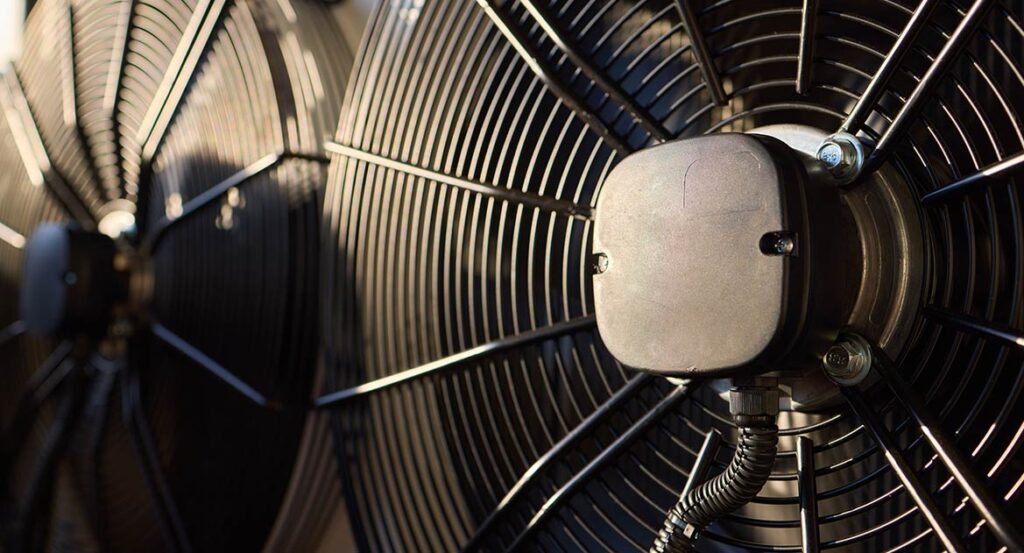
- Wall-Mount Fans: While cross ventilation is natural by design, there are times when powered assistance is helpful — especially in industrial settings or areas with limited wind exposure. Wall-mount fans pull stale air out of a building and support the intake of cooler outdoor air. These accessories keep humidity in check and air moving efficiently, even when weather conditions aren’t cooperating.
- Ventilators: Ridge vents and other roof-mounted ventilators aren’t primary drivers of cross ventilation, but they play an important supporting role. As warm air naturally rises, ventilators give it a dedicated path to exit, reducing indoor heat load and helping stabilize pressure differences inside the building. This makes it easier for intake air to move across the structure and helps maintain consistent airflow throughout the day.
- Open Windows or Passive Openings: In certain workspaces, something as simple as strategically placed operable windows can support natural airflow. These openings provide relief during mild weather and promote comfort when mechanical systems aren’t needed.
Designing a Cross Ventilation Strategy That Works
Creating an effective cross ventilation system is all about smart design, proper placement and quality components. Whether you’re working on a new build or updating an existing structure, consider the following.
- Start with Quality Accessories: Well-made vents, louvers and fans last longer, perform better and protect your structure from leaks or weather intrusion. Metallic Products’ industrial ventilation accessories are made in America and engineered for long-term reliability.
- Place Intake & Exhaust Points Strategically: For true cross ventilation, airflow must have a clear path. Intake openings such as louvers should sit low or on the windward side of the building. Exhaust openings such as wall fans or opposing louvers should allow indoor air to escape naturally.
- Blend Natural & Mechanical Support as Needed: On breezeless days or in facilities with heavy heat output, hybrid systems work best. Natural airflow handles regular conditions while powered support kicks in during extreme heat or high humidity.
- Inspect & Maintain Regularly: Even the best-designed systems need occasional checkups. Clearing debris, checking for corrosion and confirming proper operation can help keep airflow unobstructed.
Effective cross ventilation isn’t just about comfort. It’s a strategy for stronger building performance overall. When air moves the way it should, your structure stays healthier, your team stays safer and your critical equipment stays protected.
Ready to Give Your Building the Airflow it Deserves?
Metallic Products manufactures louvers, ventilators, fans and accessories built for more and designed to keep your structures performing at their best. If you’re wondering whether your current airflow strategy is doing enough, or if you’re planning a new project and want to optimize conditions from day one, our team is here to help. Reach out at any time for guidance, product questions or project support.