
Roof Ridge Vent Guide: Performance, Problems & Proper Care
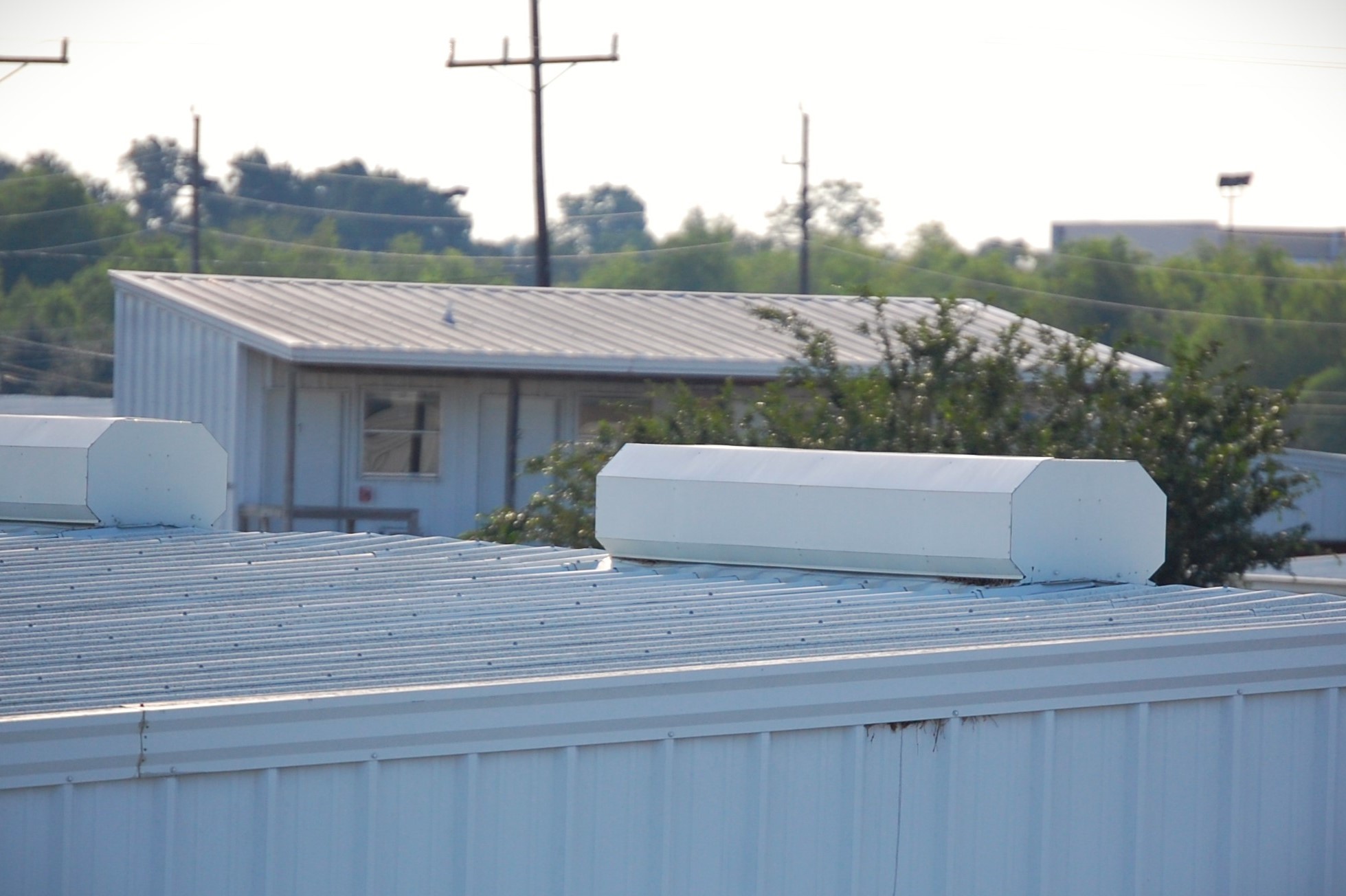
When you give your metal building roof ridge vent the attention it deserves, it can foster healthy ventilation for many years.
A metal building needs the right ventilation to perform at its best, but simply having the right accessories in place isn’t enough. Product quality, proper fit and installation all influence how effectively those accessories do their jobs. That’s especially true for a roof ridge vent, which must allow warm, stale air to escape while helping protect the building against moisture intrusion and the elements.
Understanding what to look for can help you get more from your ventilation system while avoiding unnecessary — often costly — trouble. Here, Metallic Products’ steel building accessory pros cover how ridge vents work, common issues associated with them and tips for keeping yours performing as intended.
What is a Roof Ridge Vent & How Does it Work?
A roof ridge vent is a passive ventilation accessory installed along the apex, or highest point, of a metal building roof. This strategic location gives heat, humidity, odors and stale air a natural path out without the need for powered equipment.
As air inside the building warms, it rises toward the roof. At the same time, wind moving across the roof creates an area of lower pressure around the ridge. Together, these forces help draw warm, stale air through the ridge vent and outside, where it belongs.
Of course, air can’t keep moving out unless fresh air has a way in. Ridge vents work best as part of a properly planned ventilation system with adequate intake. Wall louvers, windows and other openings can help usher fresh air in, while the ridge vent exhausts warmer air from above. Properly sizing and positioning both intake and exhaust helps keep air moving, supporting temperature and humidity control along the way.
Common Ridge Vent Problems & Misconceptions
Ridge vents don’t have especially complicated jobs, but there are plenty of misconceptions about what they should do and what can go wrong. Understanding common concerns can help you choose the right option for your structure and recognize when an existing vent needs attention.
Misconception 1: Ridge Vents Always Leak
A properly designed and installed ridge vent shouldn’t leave your building vulnerable to water intrusion. Leaks are more often tied to product damage, improper fit or installation issues. Metallic Products’ ridge vents feature a leak-proof design, allowing air to escape while helping keep the elements out.
Misconception 2: More Ventilation is Always Better
Effective ventilation depends on providing the right amount of airflow and balancing exhaust with adequate intake. Adding more ridge vents won’t compensate for insufficient intake or poor system planning.
Misconception 3: Poor Airflow Means the Vent is Defective
This isn’t necessarily true. Inadequate intake, improper sizing, blocked openings or poor placement can all limit airflow, even when the ridge vent is functioning properly.
Misconception 4: Ridge Vents Don’t Need Attention Once Installed
Ridge vents are low-maintenance, not no-maintenance. Periodic inspections can help identify damage, corrosion, debris and loose fasteners before they affect performance.
Misconception 5: Any Ridge Vent Will Work on Any Metal Roof
Roof pitch, panel configuration, building size, airflow needs and local weather conditions can all influence which product makes sense. There’s no one-size-fits-all approach to ridge ventilation.
Ridge Vent Leaking: What to Watch for & What to Do
Ridge vent leaking isn’t something you should expect from a well-made product that’s fitted and installed the right way. Still, water can find its way inside. Identifying the source quickly can help keep a small problem from affecting other areas of the building.
What Causes a Ridge Vent to Leak?
If water appears near the ridge of your metal building, there are several potential causes worth investigating.
- Installation That Leaves Gaps: Incorrect placement, fastening or sealing can give wind-driven rain a path into the building.
- A Poor Match for the Roof: A vent that doesn’t account for roof pitch and panel configuration can leave vulnerable areas exposed.
- Fasteners That Have Shifted: Loose, missing or damaged fasteners can compromise weather protection.
- Damage from Severe Weather: High winds, hail and flying debris can damage the vent or surrounding roof components.
- Wear from Exposure: Corrosion, aging materials or damaged finishes can weaken areas that were once weathertight.
- Debris Where it Doesn’t Belong: Leaves, dirt and other buildup can interfere with drainage and airflow.
- Negative Pressure Problems: Fans and other mechanical equipment placed too close to the ridge vent can create suction that pulls moisture inward instead of allowing hot air to properly exhaust.
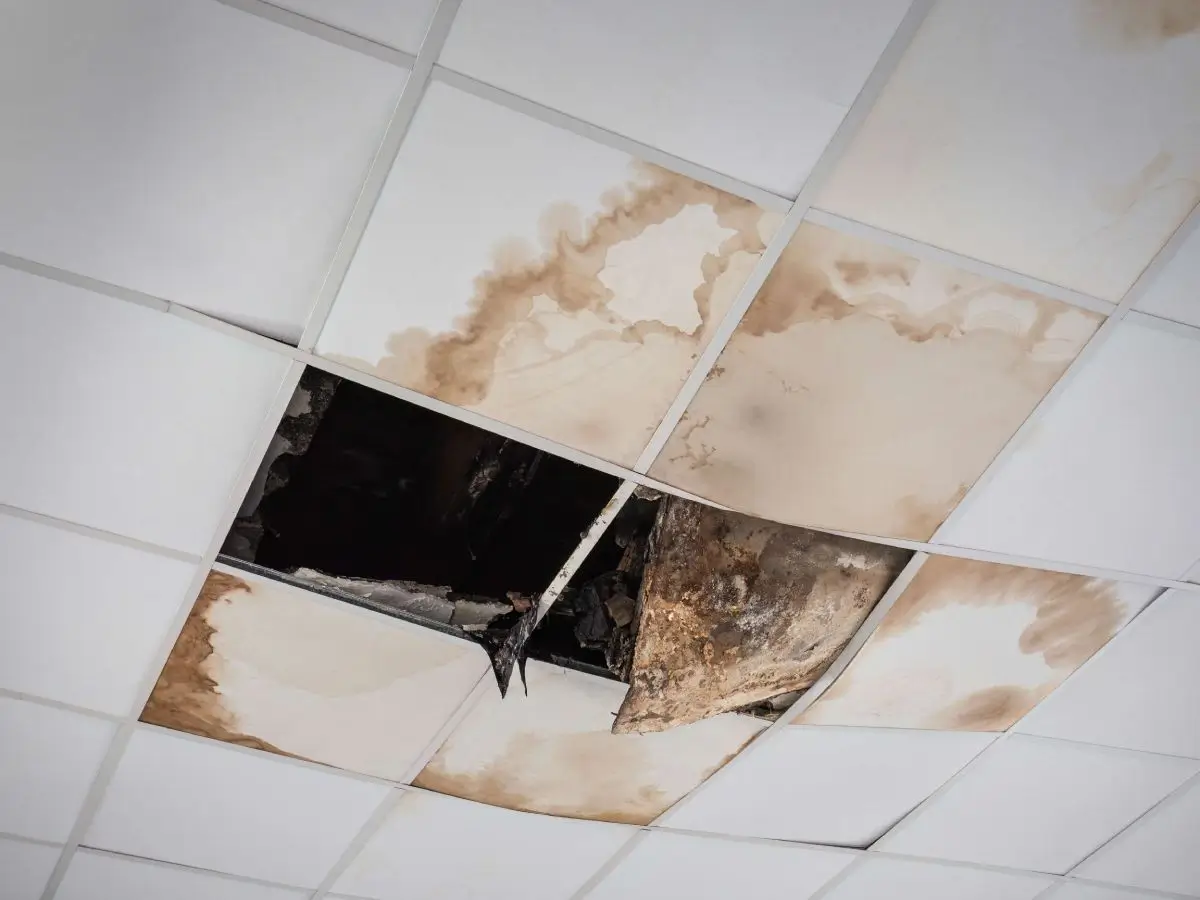
Why Ridge Vent Leaks Shouldn’t Wait
A small roof leak can quickly become a much larger problem. Water can travel beyond its original entry point, damaging insulation, interior finishes, stored materials and other components while contributing to mold, mildew, corrosion and deterioration. Water reaching floors, work areas or electrical equipment can create safety concerns, too. The sooner you find the source, the better your chances of limiting the damage. Here are some tell-tale signs your vents might be leaking.
- Drips or Standing Water: Water beneath or near the ridge warrants investigation.
- Stains or Discoloration: Water marks on insulation, walls or ceilings can indicate moisture intrusion.
- Musty Odors: Persistent odors may signal mold, mildew or hidden moisture.
- Rust or Corrosion: Corrosion around the vent, fasteners or nearby components can indicate repeated moisture exposure.
- Loose or Missing Fasteners: Changes in fasteners can compromise fit and weather protection.
- Visible Damage: Dents, punctures, gaps or an uneven ridge line deserve a closer look, particularly after severe weather.
If you spot a potential leak, inspect the ridge vent and surrounding roof system carefully, or bring in a qualified professional to identify the source and find an appropriate repair.
Choosing & Maintaining a Metal Building Ridge Vent
Reliable ridge vent performance starts with choosing the right product. Roof pitch, building application and size, ventilation requirements, weather conditions and product quality should all factor into the decision. Before purchasing, ask the following.
- Is it Made for Metal Buildings? Look for a product designed specifically for pre-engineered steel buildings.
- What Size & Style Do I Need? Building size, use and ventilation needs can influence vent style, throat size and required exhaust.
- Can it Accommodate My Roof Pitch? Make sure the vent can be manufactured for your specific roof slope.
- Has it Been Tested? Ask about evaluations, approvals and options for high-wind or severe-weather regions.
- Can it Be Customized? Consider available colors, finishes and other project-specific options.
- Will the Manufacturer Help Me Plan? Look for expertise in sizing, placement, intake requirements and overall ventilation performance.
Metallic Products offers several ridge ventilation options to meet different building and project needs, including continuous ridge vents, low profile ridge vents and Lone Star vents. With options for different ventilation requirements, roof configurations and project conditions, customers can choose a product suited specifically to their building.
Keeping Your Ridge Vent Performing for the Long Term
Ridge vent maintenance doesn’t have to be complicated. Inspect yours at least twice a year — and after significant storms — to catch small concerns before they affect airflow or weather protection. Cover the following during inspections.
- Check for dents, punctures or other physical damage.
- Look for rust, corrosion or areas where the finish has been scratched or chipped.
- Make sure screws and other fasteners remain secure.
- Remove leaves, pine needles, dirt and other debris that could restrict airflow or interfere with drainage.
- Pay attention to changes inside the building, such as moisture, staining or unexpected airflow issues.
A roof ridge vent doesn’t need much attention to do an important job. Choosing a quality product, matching it to the building, installing it correctly and checking it periodically can support reliable airflow and weather protection for years to come.
Have questions about the right ridge vent for your next metal building project? Reach out to Metallic Products. Our team can help you compare ridge vent options, determine your ventilation needs and find a product tailored to your building. We’re here to help, and we’d love to work with you!