
Wind Uplift Tests: Evaluating Performance Under Pressure

Ensuring a safe steel building means looking at the structure as a whole — and that includes every accessory you add to the mix. From vents and louvers to canopies and roof components, each piece plays a role in how a building performs under real-world conditions. Wind uplift tests help confirm that these accessories can stand up to high winds and extreme weather without compromising safety or performance.
Metallic Products’ steel building accessory pros are here to cover the key points every metal building owner and contractor should know about wind uplift tests. Let’s get into what they are, how they work and ways they can help create safer, stronger structures able to serve end users well for the long term.
What is Wind Uplift and Why Does it Matter?
Before diving deeper into testing, it’s important to understand the basics. So, what is wind uplift and how does it impact metal buildings?
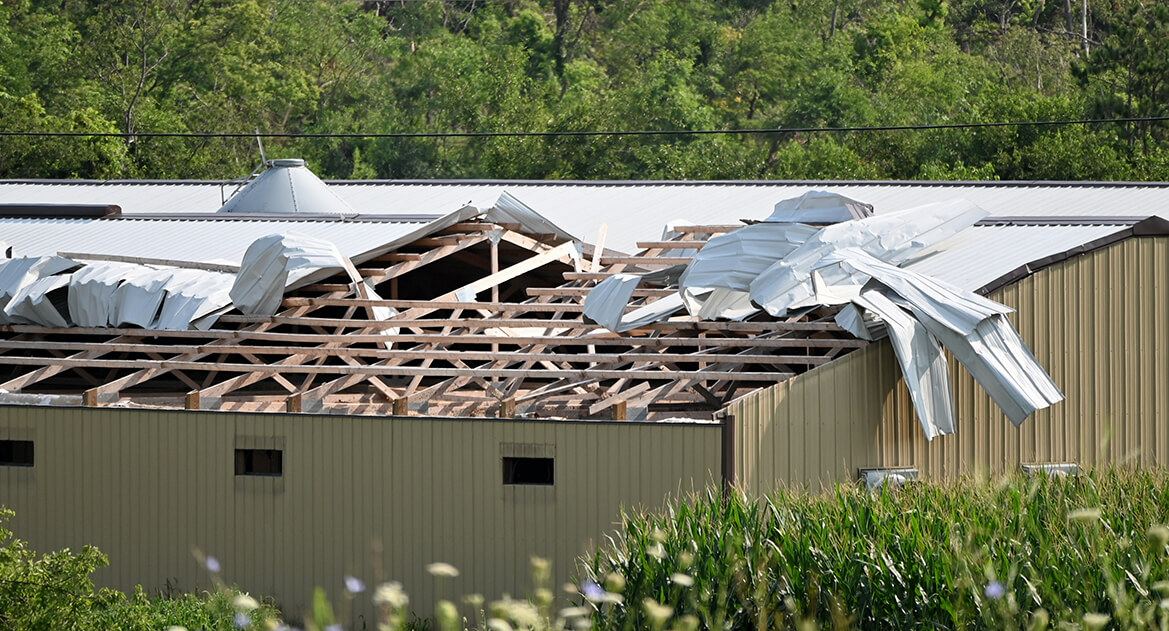
Wind uplift occurs when air pressure builds beneath a building component such as a roof panel, louver or canopy and creates an upward force strong enough to lift or displace it. This typically happens during high-wind events, when fast-moving air flows over a structure and creates a pressure difference between the top and bottom surfaces. There are a number of scenarios that can make wind uplift more likely.
- Severe storms or hurricanes
- High-wind regions or open terrain
- Improperly secured or installed accessories
- Large, flat surfaces exposed to wind flow
Understanding the basics is essential because wind uplift consequences can be significant. If accessories aren’t designed or tested to handle these forces, they can loosen, detach or fail entirely — all of which can lead to water intrusion, structural damage, safety hazards and costly repairs.
Wind Uplift Calculations & How Testing Determines Performance
Once you understand the risks, the next step is ensuring your building accessories can handle them. That’s where wind uplift calculations and testing come into play.
Wind uplift testing measures how much force a product can withstand before it fails. In controlled environments, building accessories are subjected to increasing levels of pressure that simulate real-world wind conditions. The goal is not just to confirm that a product works — it’s to determine its limits. These tests typically involve the following.
- Applying upward pressure to mimic wind forces
- Gradually increasing that pressure over time
- Monitoring how the product responds under stress
- Documenting the exact point at which failure occurs
Accurate wind uplift calculations are based on these findings, giving engineers and builders a clear understanding of what a component can handle in actual conditions. In many cases, testing is conducted by certified third-party laboratories. These facilities specialize in structural evaluations and subject products to a range of extreme scenarios, including wind uplift tests, driven rain testing and impact resistance testing.
The goal is to push products beyond their expected limits, ensuring their true performance capabilities are fully understood. Detailed records from these tests provide valuable data that supports product approvals, code compliance and informed decision-making.
Choosing Steel Building Accessories for High-Wind Conditions
When selecting accessories for a metal building, especially in areas prone to strong winds, it’s important to go beyond basic specifications. Taking a proactive approach can help ensure your building is equipped to handle whatever comes its way. Here are a few tips to keep in mind when evaluating steel building accessories.
Ask the Right Questions
It’s important to understand how a product will perform and whether it’s suited to your specific environment. Here are some questions to get you started in discussions with potential accessories providers.
- Have these products undergone wind uplift testing?
- Are wind uplift calculations available for this accessory?
- Are these products approved for use in high-wind regions or High Velocity Hurricane Zone (HVHZ) areas?
- What mounting or reinforcement options are available?
Consider Your Building’s Location
Not all buildings face the same conditions. A structure in a coastal or hurricane-prone area will require different specifications than one in a more moderate climate. Be sure your accessories provider understands where your building is located so they can recommend appropriate options — including reinforced or Florida-approved products when necessary.
Look for Proven Experience & Flexibility
Choosing a provider with a strong reputation and a wide product range makes it easier to find solutions tailored to your needs. Customization options — including size, material thickness and mounting configurations — can help ensure your accessories perform as expected while still meeting aesthetic goals.
Metallic Products manufactures all metal building accessories in the United States and offers a wide variety of colors, sizes and finishes. We also offer continuous ridge vents, low profile ridge vents and wall louvers featuring Florida product approval or Miami-Dade HVHZ approval. These products feature enhanced engineering designed to meet strict building codes, including those required in Florida and other high-wind regions.
When it comes to protecting your steel building, every detail matters. Understanding wind uplift tests, knowing what to look for in product performance and working with the right partner can help ensure your structure is ready for real-world conditions.
If you have questions about wind uplift testing, are planning a project in a high-wind area or want to learn more about Metallic Products’ metal building accessory solutions, our team is here to help. Reach out at any time! We’re ready to support your next project with products and insight built for more.